To support medicine adherence of the first new TB medicine in 40 years, I led a 2-week design sprint to craft a strategic plan for Johnson & Johnson's global health team
Transforming tuberculosis care in low-resource settings
The problem: medicine adherence isn't easy in low resource settings
I was approached by Johnson & Johnson with the opportunity to help develop a concept and strategic plan for their global health team. Having recently developed the first new TB (tuberculosis) vaccine in 40 years, Johnson & Johnson was looking to create a plan to distribute this medicine in Uganda while supporting proper medication adherence. Medicine adherence is important because when the full course of medicine is not followed, the TB becomes drug-resistant, and drug-resistant TB is a major public health problem that threatens progress made in TB care and control worldwide.
Personal Contribution
User research: desks research, field research in TB clinics
Innovation Workshop: 25 participants
From Johnson & Johnson: Project Lead, Software Engineer, Physician, Business Analyst
Ugandan Subject Matter Experts: Physicians (3), nurses (5) , TB patient, health administrators (5), representatives from partnering organizations (HIV services, infectious disease clinic, blood bank) (8)
Deliverable: A concept and strategic plan for an integrated TB care plan
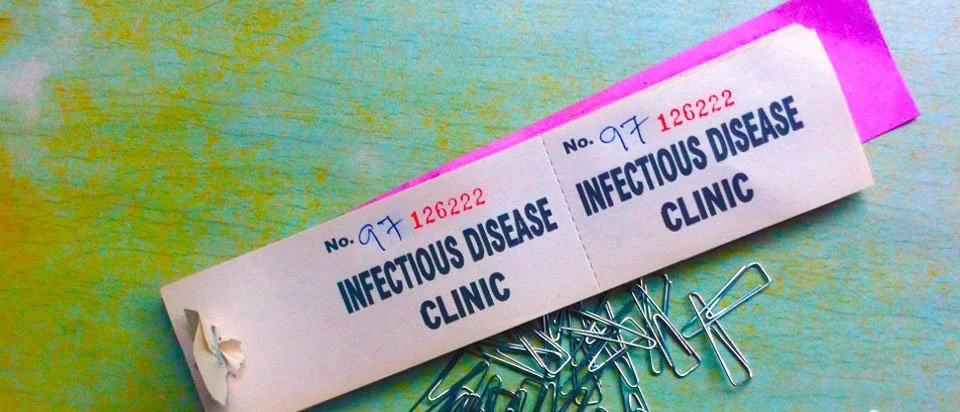
Visiting the TB Clinic: observation began in the wait room to understand the patient experience
Client
Johnson & Johnson
Project Length
2 weeks
My Role
Product Design Lead
Workshop Facilitator
The Team
2 Product Designers
A 2-week design sprint plan
Week 1: Desk research and planning
Personal Contribution: conducted desk research and Skype meetings with the global health team to:
Gather background
Build quick domain understanding
Problem frame
Create shared definition of goals & desired outcomes
Build rapport
Week 2: field research and workshop
Personal Contribution: conducted desk research and Skype meetings with the global health team to:
Gather background
Build quick domain understanding
Problem frame
Create shared definition of goals & desired outcomes
Build rapport
Field research for contextual understanding

Following the data: observing how patient records move through the clinic and then to the archive room
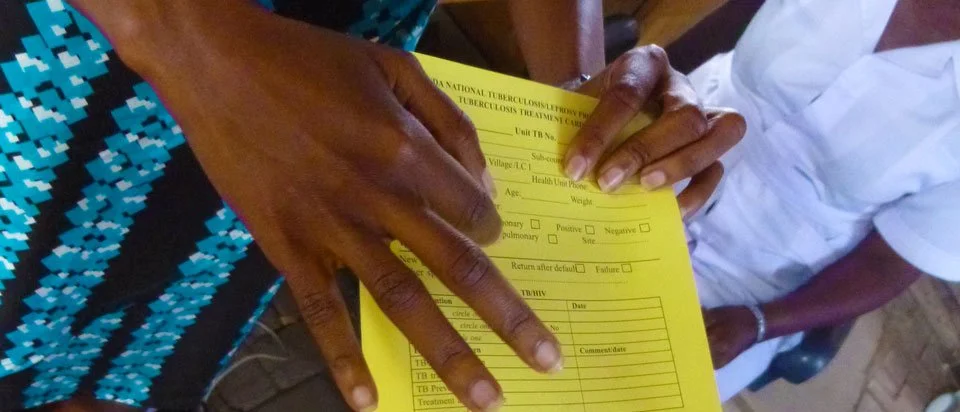
Interviewing a nurse: an explanation of one of the many patient forms
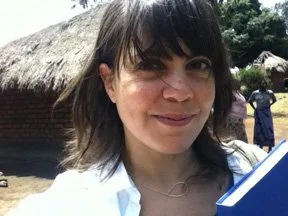
Personal Contribution: visited 2 TB clinics (one urban, one rural) to:
Observe the patient journey from the waiting room as a new patient through receiving care
Interview doctors and nurses about TB care in Uganda including treatment flow, breakdowns, and successes
Follow the patient data (paper records) i.e. the record movement, access, and archival processes.
Surprise Finding!
While approaching the problem, the global team had hypothesized that to support the admin. side of TB care, they should develop desktop and mobile apps to manage the patient records digitally. During field research, it was discovered that the clinics lack the resources to maintain devices needed to use desktop and mobile apps and the current paper patient records work really well. Conclusion: do not alter the current patient record process for now.
Facilitating an innovation workshop
Personal Contribution:
Plan workshop and list of desired subject matter experts
Create agenda
Select appropriate methods and frameworks (shown below)
Facilitate workshop activities while sketching maps and diagrams (shown below)
Foster an inclusive environment & support participants through the workshop process
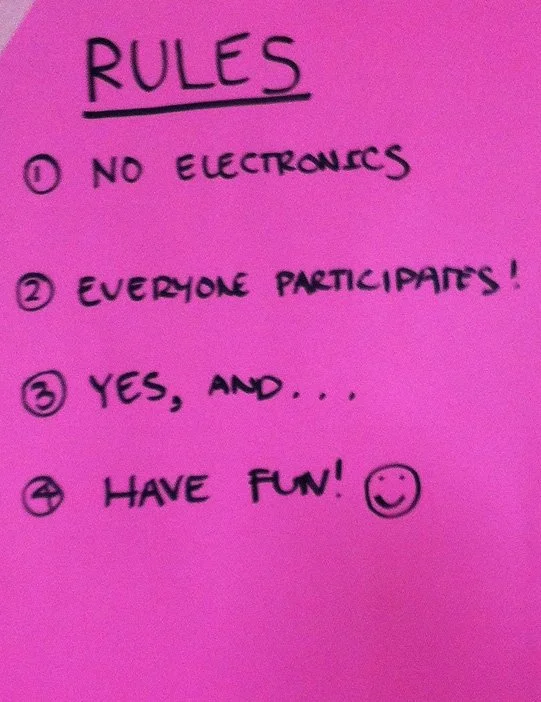
Rules with a positive tone encouraged participants to share their expertise and ideas.
Stakeholder map. Drawing a map of the stakeholders helped frame the problem as part of a large system.
User journey map. Together the group shared their deep expertise around the patient journey to build empathy and shared understanding.
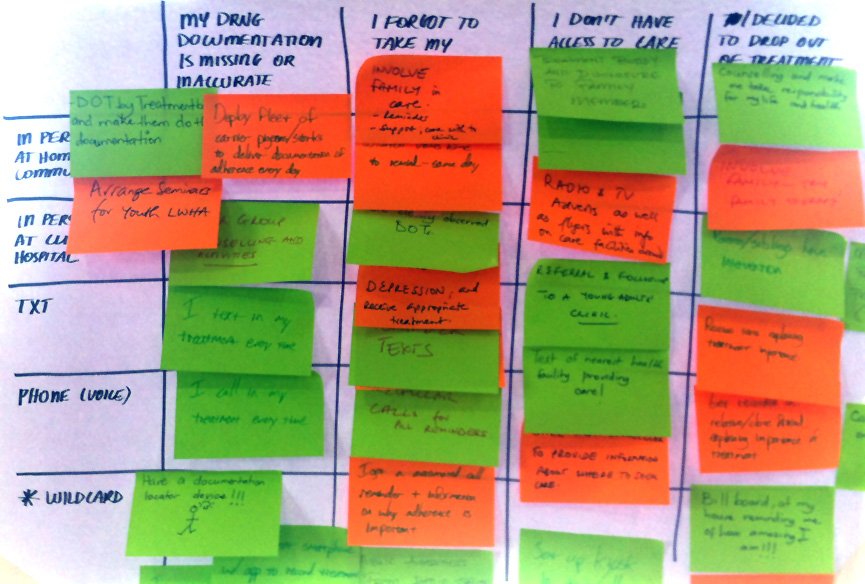
Creative matrix. In small groups, teams worked to complete their idea matrices. The top row represents topics related to patients, the left column represents different channels for solutions. The team with the most ideas won a prize (chocolate
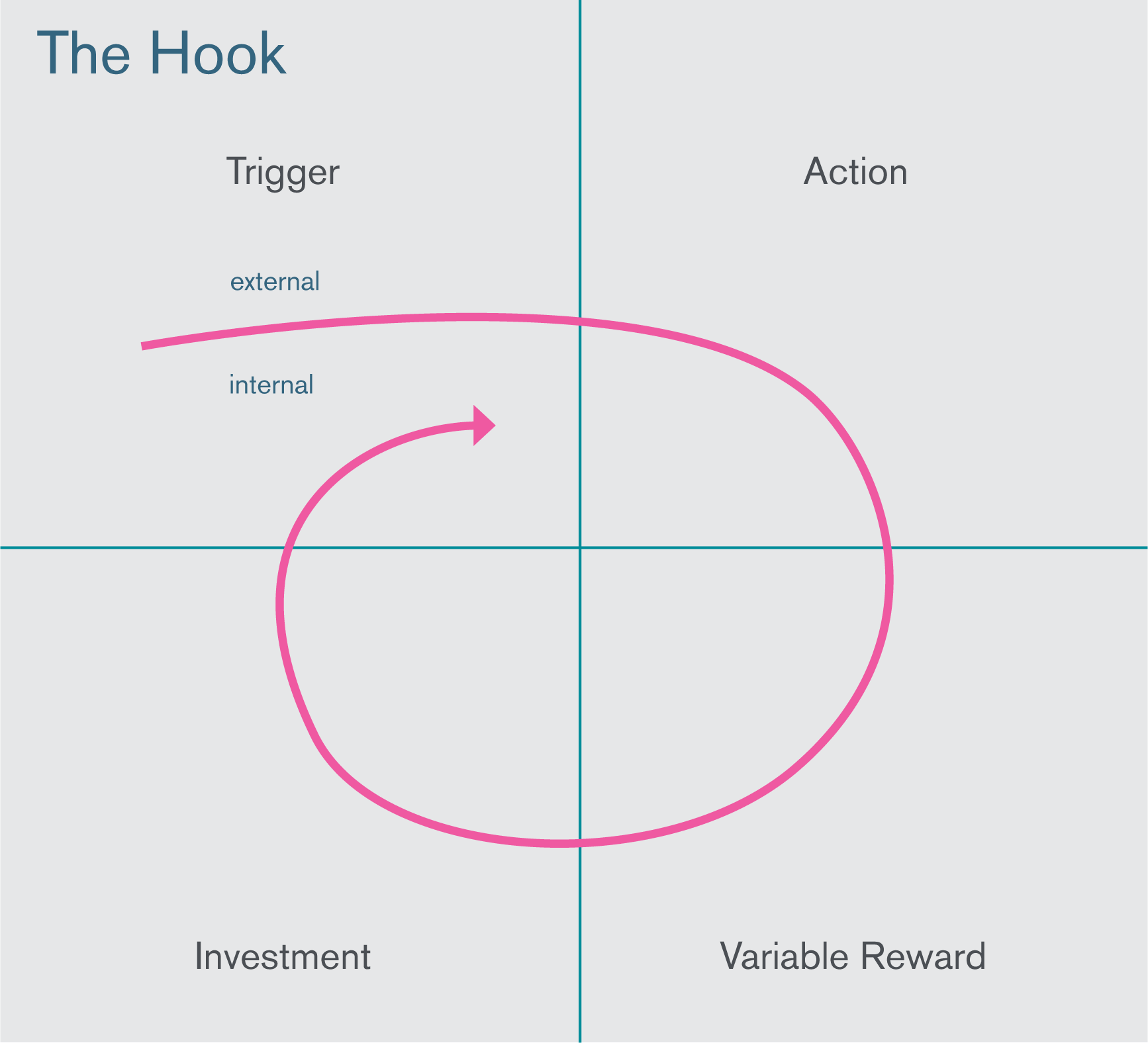
Framework: The Hook. Participants used this framework to develop concepts that inspire habitual behavior change.
The Outcome
After working in small teams to ideate and develop concepts for an integrated TB care plan, the group voted to decide which of the concepts to prototype. The voting process ended in a tie and it was decided that the team would pursue the top two concepts and evaluate those concepts after the prototype process. The solutions include a combination of mobile apps, SMS services, analog record-keeping tools, kiosks for dispensing medicine, rewards for participation, and collaboration amongst partnering patient care organizations. The prototypes are currently under development.
Client feedback:
“I just wanted to reach out and personally thank you for your ongoing support of our efforts in Uganda, and especially for running an excellent workshop last week. We’re all very pleased with the results and went home with a strong strategy in mind!“
–Director, Janssen Clinical Innovation at Johnson & Johnson